Eat a More Plant-Based Diet
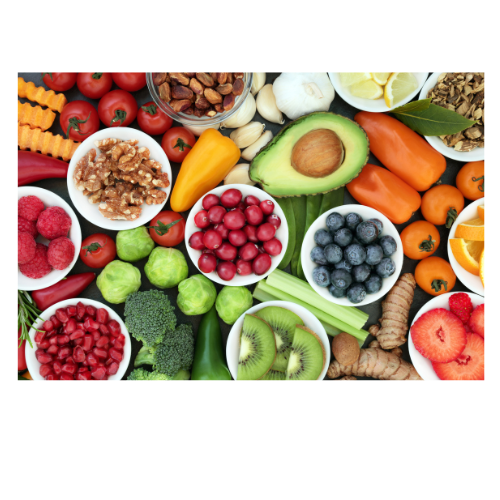
Summary: Reduce your carbon footprint by switching up what you eat.
Description
With livestock producing about 14.5% of the world’s greenhouse gasses each year, it’s clear that our diets can have an impact on our climate as a whole. Scientists warn that the current system of production and pattern of consumption cannot be sustained, and the adoption of a more plant-based diet must be a part of the answer (Poore and Nemecek, Science). Making changes to your eating habits can be done at your own pace and with little financial investment--but have a big impact on climate.
If you want to keep it simple, start with eating less beef. The Environmental Working Group has developed a list which shows the climate impact of various foods. The process of getting meat to the table, including production emissions, processing, transport, retail, cooking, and waste disposal generates a lot more greenhouse gasses per kilogram than plant-based proteins. Beef and lamb in particular generate more than double the greenhouse gasses of other meat sources. Therefore, reducing the amount of beef the average American consumes can make a difference in our global carbon footprint. And incorporating plant-based options makes that reduction even greater.
Find plant-based recipes you love to eat! Look for meatless recipes that appeal to you and that you’ll be excited to eat again. Make ‘Meatless Monday’ a family tradition for a start. Save the recipes that are popular with family members to create a rotating menu of vegetarian dishes. With a well stocked pantry, pulling together a Meatless Monday will be quick and easy.
Like any good 'diet', you should consider the commitment to eating fewer animal products a lifestyle change that you can maintain over the long run. Go at your own pace but don't be afraid to challenge yourself with something new.
Deep Dive
What’s the difference between vegetarian and vegan? Vegetarian is a broader term for excluding animal products from your diet. A vegetarian diet will exclude meat but may include eggs and dairy (lacto-ovo vegetarian). A vegan diet strictly avoids any food that contains animal products, including dairy and eggs. Once you become familiar with meatless recipes, try adding vegan recipes into your repertoire as well. Dairy is another food category with a big environmental footprint.
What are good plant-based protein sources? As you increase the number of plant-based meals you eat, it’s a good idea to include recipes with plant-based protein sources. Lentils, beans, chickpeas, peas, nuts, seeds, tofu, tempeh and edamame, and seitan (made from wheat) are all good sources of protein. Don’t limit these ingredients to main dishes. You can get your protein in salad, soups, snacks, and even in desserts! The New York Times has an excellent Mexican chocolate pudding recipe by famed chef Mark Bittman that uses tofu and is impossible to distinguish from the traditional recipe.
There have been a number of investigations into the carbon footprint of our food system. The United Nations has produced their own calculations on the carbon costs of various foods. If you enjoy looking at data, Our World In Data has a page dedicated to the environmental impacts of food, including land and water use and animal diversity. In 2021, the United States Environmental Protection Agency also produced a report on the environmental impacts of food waste.
Steps to Take
- Review the list of climate impact of various foods from the Environmental Working Group or other similar charts.
- Set a goal that is concrete but realistic. You could make “Meatless Monday” a family tradition, or limit beef and cheese to certain days of the week.
- Try out some vegetarian and vegan recipes with the goal of finding ones that you and your family find delicious and enticing. Check out Rainbow Plant Life or other YouTube chefs for inspiration.
- Once you find some recipes you like, identify ingredients that are common in those recipes, and stock your pantry with them to make whipping up a vegetarian meal more convenient. Consider upping the ante and incorporating some vegan recipes!
- Spread the word and get support from others who are reducing their meat consumption. Cook vegetarian at your next dinner party. Very few people understand the climate impact of their food choices.
- Give a testimonial. Let people here know how this experience has gone for you!