Try Composting!
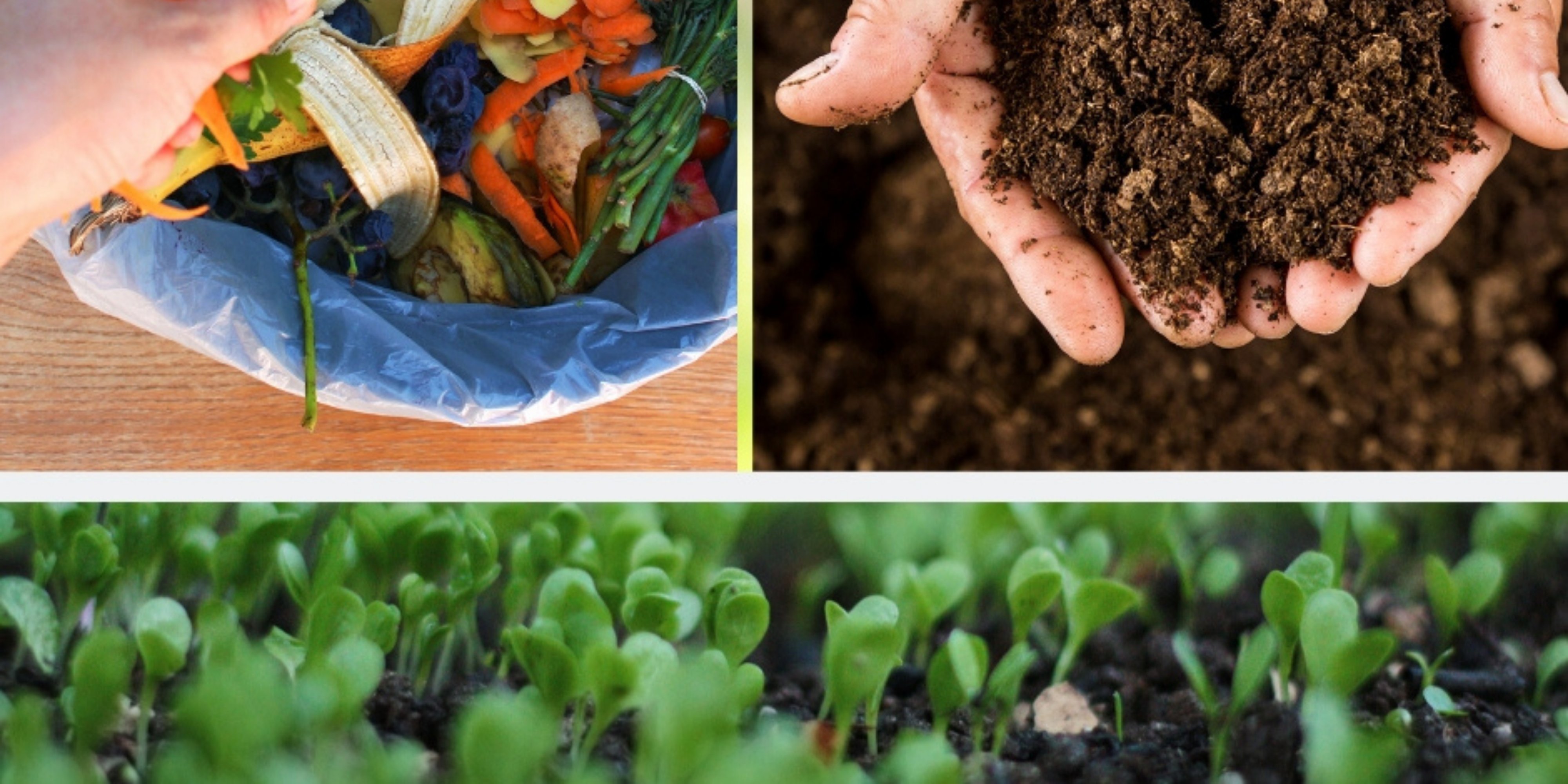
Summary: Reduce your carbon footprint and create compost for your garden.
Description
Want to reduce your household waste by up to 50%? Want to avoid a smelly trash bin? Reduce your carbon footprint? Consider composting! Whether you compost at home or with a service, there are many ways to compost.
There are a variety of reasons to consider composting, like those mentioned above. According to the Massachusetts Department of Environmental Protection (MassDEP), food waste is 25% of trash in Massachusetts. Compost enriches the earth for plants and other organisms that live in the soil. In a landfill, organic waste contributes to the generation of methane, and what could be a valuable resource is lost. Methane is a greenhouse gas and contributes to climate change. Not only does food waste take up space in our landfills, but it takes up space in your trash can. By reducing the food waste you throw away, you can reduce your disposal costs. The reduced moisture in your trash from eliminating food waste may also allow you to use a paper bag as a liner, instead of a plastic one. Even our schools are already involved in composting!
Want to compost at home? Great! There are options to compost in your yard, if you have one, or even inside your home, if you don’t. In your yard you may have a compost bin or compost pile, where your food waste will biodegrade into nutrient rich fertilizer. The MassDEP has a brochure for creating a composting pile, as well as for different types of composting bins available here. You can even watch a short video about composting.The Franklin Recycling and Solid Waste Department has a program where you can order a New Age Composting bin through the town. If you live in an apartment or otherwise don’t have a lawn for a composting bin or pile, you can still compost. Vermicomposting is a great indoor composting option and it can even be a fun science experiment if you have children. There are even countertop composting units, such as Pela Earth’s Lomi. If you don’t have the space for the compost you create, you can even donate it to groups like Backyard Growers.
If you can’t compost yourself, consider a service that’ll do it for you. Companies like Black Earth Compost will provide a pickup service from your home. Currently pickups run every other week. Their residential pricing for Franklin is available here.
Deep Dive
Save your septic? Which is better, composting or using a kitchen garbage disposal? Homes with septic systems are discouraged from using garbage disposals as a means of disposing of all food waste.
- Fibrous materials such as fruit pits and corn husks should not be put in your garbage disposal. Composting these items that can’t be ground is preferable so they are diverted from the trash.
- Frequent use of the garbage disposal can significantly increase the material being deposited into your septic tank, leading to more frequent pump-outs.
- While some newer garbage disposals offer features that are supposed to make them work better with septic systems, including enzymes, there’s no conclusive evidence that these additives are useful. They may even harm the bacteria in your septic tank. See more from Roto-rooter.
Steps to Take
Composting at Home:
- Buy a compost bin from the Town of Franklin, from a retailer, or build your own. Read up on the basics of composting.
- Use a small bucket on your countertop or other covered container to collect your food scraps and empty regularly into your yard compost bin (adding leaves/torn newspaper for correct balance of materials).
- Try indoor composting with worms, if you don't have a yard. If you have kids, it can even be a fun science project. Or you can go with an electric countertop composting unit.
- For home composting, it’s best to keep meat and cheese out of the bin. Commercial services will accept these items.
Composting with a Service:
- Sign up on the Black Earth Compost website for weekly residential service. The company provides a starter kit ($40) with a 13 gallon lockable cart and two packs of compostable bag liners. The apartment sized 4-gallon bin is just $16.
- Line your bin. This is required to ensure the bins can be fully emptied. A double lined paper grocery bag works well or you can use the compostable bag liners Black Earth has available.
- Use a small bucket on your countertop or other covered container to collect your food scraps and empty regularly into the larger bin. Meat and dairy are acceptable items. See the full list of what's compostable .
- Put your bin out for pick up on your curb every other week.
- You will receive a voucher for a free bag of finished compost in the spring, which you can use on your plants.